Skip to content
Cenla’s EliteStudio & Cheer Team
Menu

Central Louisiana · Performing arts

Cenla’s Elite Studio
& Cheer Team

Movement, teamwork and storytelling meet here. Explore the four performing arts disciplines introduced by Cenla’s Elite, then find the studio information that helps you take a closer look.

Explore studio information
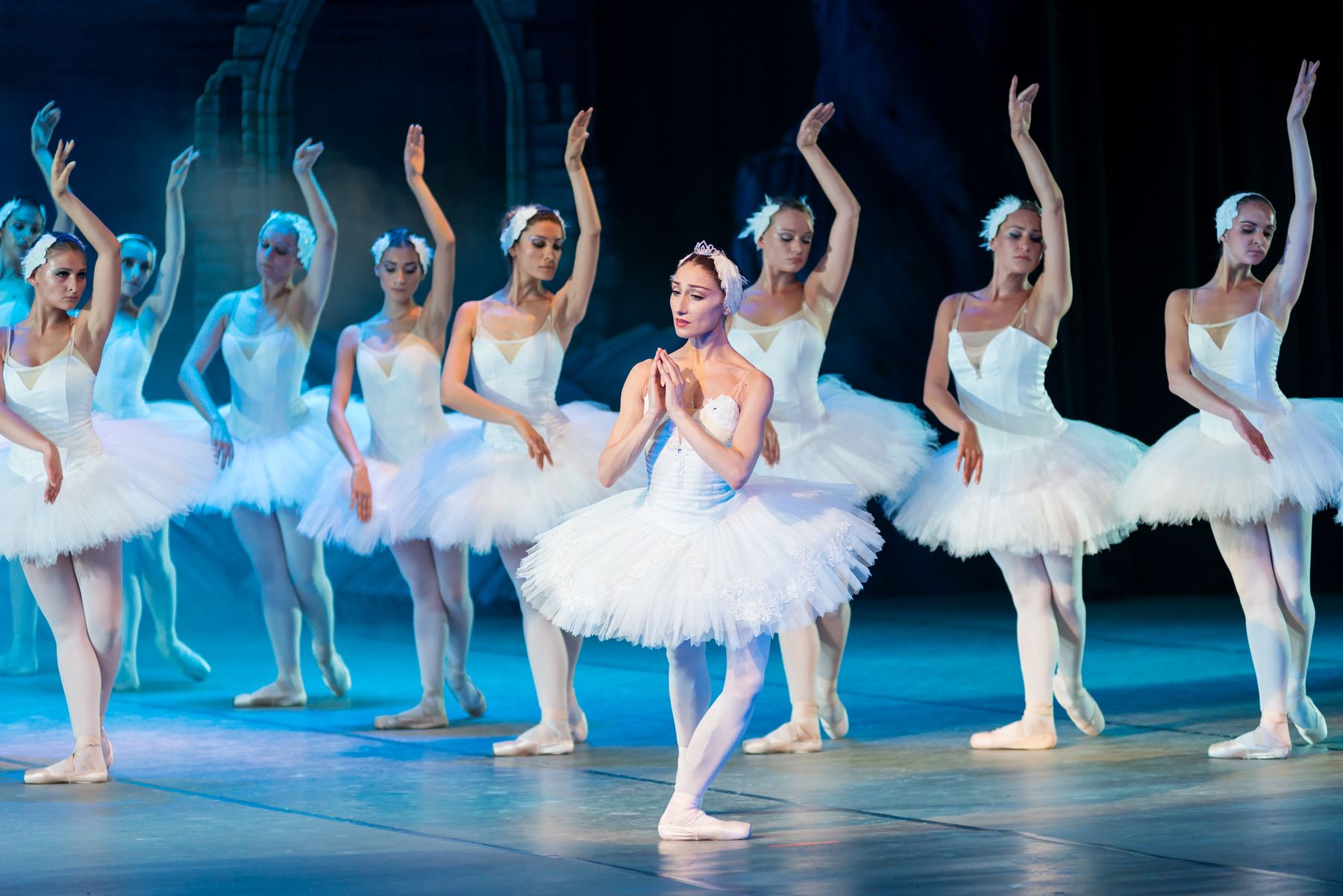
Ballet performers on a lit stage
Illustrative stage photograph · not a studio event
01 / Dance02 / Cheerleading03 / Tumbling04 / Theater

The program notes

Four ways to find
your expression.

The studio’s introduction brings movement-based and dramatic performance together. Follow the subject that sparks your curiosity, and use these notes as a starting point for reading.

01

Dance

Dance connects music, movement and performance. The source introduction names ballet, hip-hop, contemporary and jazz, with attention to technique and choreography. Those styles provide different ways to approach rhythm and expression, from the shape of an individual movement to the way a sequence works as a whole.

When exploring dance, notice which part holds your attention: the music, the physical vocabulary or the process of learning a routine. That can help you make a more focused enquiry about the studio’s dance information.

02

Cheerleading

Cheerleading brings a group into shared rhythm. The introduction includes dance routines, stunts, tumbling and spirit-building. Read it with teamwork in mind: individual skills contribute to a coordinated performance, and the group’s timing is part of the appeal.

03

Tumbling

Tumbling is the acrobatic part of the program introduction. Its themes include strength, flexibility and technique. Learners can use that description to frame questions about their experience and goals, leaving specific movement instruction to an appropriate supervised setting.

04

Theater

Theater moves from the page to the stage. Acting and improvisation sit alongside stagecraft and script analysis in the introduction. A scene is something to understand as well as perform: character, language, space and the relationship with an audience all offer useful angles for a curious reader.

Before the rehearsal

Get to know the setting.

A little reading can make your next question clearer. Begin with the studio background, explore the schedule article, then browse the wider performing arts archive. Keep publication dates in view when reading about events or arrangements.

  1. 01 / BackgroundAbout the studio
  2. 02 / Practical readingSchedule & registration
  3. 03 / The archiveRead the Blog

For learners & families

A few useful questions.

Start with the interests and questions you already have. These answers explain the site’s introduction and point you toward further reading.

What is Cenla’s Elite Studio & Cheer Team?

Cenla’s Elite Studio & Cheer Team is presented on this site as a performing arts studio in Central Louisiana. Its introduction covers dance, cheerleading, tumbling and theater. Start with those disciplines, then read the studio background and schedule information to understand the areas that interest you.

Which dance styles are introduced here?

The dance introduction names ballet, hip-hop, contemporary and jazz. It also discusses technique, choreography and performance. These give you a useful vocabulary for exploring your interests; read the relevant studio information before assuming that a particular style, level or session is currently available.

How are cheerleading and tumbling connected?

The site describes cheerleading through a combination of dance routines, team spirit, stunts and tumbling, while its tumbling introduction focuses on acrobatic skills. They overlap, but they are presented as separate disciplines. A learner interested in either can use those distinctions when asking about suitable instruction.

What does the theater introduction cover?

The theater introduction includes acting, improvisation, stagecraft and script analysis. Together, those topics connect performance with the work of understanding a scene and presenting it to an audience. They offer several starting points for a reader who is curious about theater beyond speaking lines.

Where should I look for schedule information?

Open the Schedule and Registration article through the reading links on this page, or visit Season Schedule in the menu. Read the dates and details in context. Use the Contact section for questions about current arrangements rather than treating an older article as confirmation of an upcoming session.

What should a family discuss before choosing a discipline?

Begin with the learner’s interests: music and movement, working with a group, acrobatic skills or storytelling. The four program introductions explain how those interests connect to the site’s performing arts topics. Note any practical questions about experience, timing or expectations before looking for more specific information.

Does the photograph show this studio’s students?

The photograph is an illustrative stage image, not a record of Cenla’s Elite students or a studio event. It introduces the performance theme visually. For information about the studio itself, rely on the written introduction, the About page and the other linked material on this site.

Where can I continue reading about performing arts?

Use Blog for the article archive and the named menu sections for more focused browsing. Other offers an additional collection of posts. Read each article’s title and publication date to decide whether it answers your question, and use the studio information pages for background about Cenla’s Elite.
Keep exploring

From studio notes to the wider arts.

The site’s menu also opens into opera history, events and community topics. Use a section name to choose your direction, or visit Other for a broader collection. For studio-related questions, the Contact section is another place to continue.